Why GBP Pairs Move So Fast (and Trap Traders)
If you’ve ever traded a GBP pair (like GBP/USD or GBP/JPY) you may have noticed something:
moves feel bigger
spikes happen faster
breakouts “fail” more often
beginners get stopped out… then price runs in the original direction
That experience is common. GBP pairs are known for speed and volatility—and that volatility can trap traders who don’t understand how they behave.
In this guide, you’ll learn:
why GBP pairs move so fast
which GBP pairs are the most dangerous for beginners
the most common “trap” patterns
simple rules to trade GBP pairs more safely
Want to practice without risking real money?
Open a Demo Account on ZenithFX
First: What Are “GBP Pairs”?
GBP pairs are any Forex pairs that include the British Pound (GBP), such as:
GBP/USD (Pound vs US Dollar)
EUR/GBP (Euro vs Pound)
GBP/JPY (Pound vs Yen)
GBP/AUD (Pound vs Australian Dollar)
Some are relatively “manageable” (like GBP/USD). Others are known for wild movement (like GBP/JPY).
Why GBP Pairs Move So Fast
GBP volatility isn’t random. It usually comes from a mix of news sensitivity, session timing, and pair structure.
1) The Pound Reacts Hard to UK News
The British Pound is highly sensitive to economic and political headlines.
Common UK events that can move GBP fast include:
Bank of England (BoE) rate decisions
UK inflation (CPI)
UK jobs data
GDP and growth surprises
unexpected political headlines
Beginner rule: if a major UK event is scheduled, expect sharper moves and more fakeouts.
Check the Economic Calendar
2) London Session = Big Money + Big Movement
GBP is a “home-session” currency for the London session.
When London opens, liquidity and institutional activity increase—often creating:
strong breakouts
fast reversals
sharp trend starts
Many GBP moves happen in the first few hours of London and during the London–New York overlap.
Trading Sessions Explained
-->
3) GBP Has a “Whippy” Personality
Traders often describe GBP pairs as “whippy” because they can:
push beyond a level
snap back quickly
then continue in the opposite direction
This makes GBP pairs excellent for experienced traders—but frustrating for beginners who enter too early or place stops too close.
4) Some GBP Pairs Stack Volatility (GBP + JPY = Turbo)
One reason GBP/JPY is notorious is because you’re combining two currencies known for sharp moves:
GBP: sensitive to UK news and London volatility
JPY: sensitive to risk sentiment and sudden “risk-off” spikes
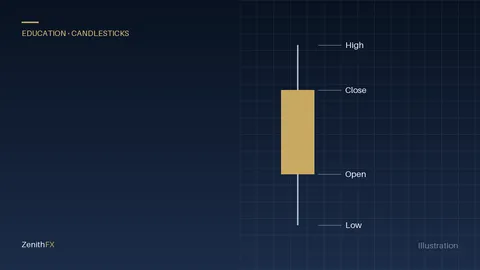
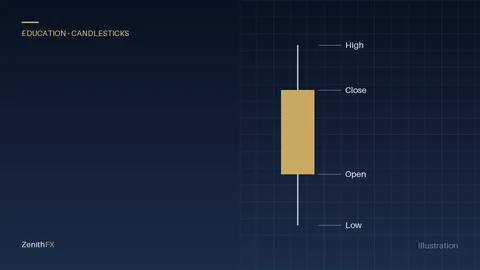
That combination can produce huge candles and sudden stop-outs.
5) Spread Widening + Slippage During Fast Moves
When markets move fast, two things can happen:
Spreads widen (bid/ask difference grows)
Slippage increases (fills don’t match the exact click price)
This can make GBP pairs feel like they’re “cheating” you—especially around news. It’s not magic. It’s speed + liquidity conditions.
Spread Explained | Slippage Explained
-->
How GBP Pairs “Trap” Traders (Most Common Scenarios)
“Traps” usually happen when many traders enter the same obvious idea—and the market quickly moves against them.
Trap #1: The Fake Breakout
Price breaks above resistance (or below support), beginners jump in… and then price snaps back inside the range.
Why it happens: breaks can trigger stops and attract breakout traders. Once liquidity is taken, price reverses.
Beginner fix: wait for a candle to close beyond the level, or wait for a break-and-retest before entering.
Trap #2: The “London Open Whipsaw”
At London open, GBP pairs often spike one way, then reverse sharply, then pick a direction.
Beginner fix: don’t trade the very first burst of movement. Let the first wave settle and look for structure.
Trap #3: News Spikes That Hit Stops on Both Sides
During major UK/US news, price can spike up, then spike down, then trend.
Beginners with tight stops get eliminated early.
Beginner fix: avoid trading 5–15 minutes before and after major news until you’re experienced.
Trap #4: Tight Stops in a Naturally Volatile Pair
GBP pairs can “wiggle” more than calmer pairs. Tight stops get hit by normal movement.
Beginner fix: if your stop needs to be wider, reduce position size so your risk stays small.
Which GBP Pairs Are “Safer” vs “Spicier”?
Not all GBP pairs are equal.
More beginner-friendly (usually)
GBP/USD (liquid, widely followed)
EUR/GBP (can be choppy, but often less explosive than GBP/JPY)
More volatile (use extra caution)
GBP/JPY (often very fast, big spikes)
GBP/AUD, GBP/NZD (can be aggressive, especially in thinner hours)
Beginner recommendation: start with GBP/USD before trying GBP/JPY.
How to Trade GBP Pairs Safely (Beginner Rules)
Rule #1: Trade Smaller Size Than You Think
GBP speed makes emotions worse. Smaller size keeps you calm and consistent.
Rule #2: Always Use a Stop Loss
GBP pairs can move fast. Your stop loss is your safety belt.
Rule #3: Avoid Major News While Learning
News is where most beginners get trapped. Use the calendar and wait for conditions to normalize.
Economic Calendar
Rule #4: Don’t Chase Big Candles
If you enter after a huge candle, you’re often late—and vulnerable to a snapback.
Rule #5: Use Confirmation (Not Guessing)
Wait for a clean reaction at a level (rejection, strong close, break-and-retest) instead of entering “because it touched.”
Rule #6: Trade During Active Hours (Not Thin Hours)
GBP pairs often behave cleaner during London and the overlap than during dead hours where spreads can widen.
A “GBP Trap-Proof” Checklist (Copy This)
✅ I checked the calendar for UK/US high-impact news
✅ I’m trading during an active session (not thin hours)
✅ I’m not entering right after a massive candle
✅ My stop loss is beyond structure (not super tight)
✅ My position size is small enough to stay calm
✅ I have a clear take profit plan (not “hope”)
Beginner Practice Exercise (5 Days)
Try this on demo to understand GBP behavior without stress:
Watch GBP/USD during London for 15 minutes
Mark 2–3 obvious support/resistance zones
Wait for price to reach a zone
Enter only after confirmation (no chasing)
Take max 1 demo trade per day and journal what you observed
Practice on demo:
Open a Demo Account
Final Thoughts
GBP pairs move fast because they’re driven by powerful London-session flows and strong reactions to UK news and sentiment.
They “trap” traders when beginners:
chase breakouts
trade right into news
use tight stops in a volatile pair
oversize positions
If you keep risk small, trade the right hours, and wait for confirmation, GBP pairs become a lot more manageable.
Risk Disclaimer
Risk Warning: Forex and CFDs are complex instruments and come with a high risk of losing money rapidly due to leverage. Ensure you understand how CFDs work and whether you can afford the high risk of losing your money.
Explain simply — 5 terms in this article, in plain language
- Volatility
- How much and how fast a price moves. Implied volatility is the market's priced-in estimate; the VIX tracks it for S&P 500 options. High volatility means wider ranges — size down rather than widen everything.
- CPI
- The Consumer Price Index: the average change in prices consumers pay for a basket of goods and services. The headline figure for inflation in many countries. Markets usually react to the surprise versus expectations, not the level itself.
- GDP
- The value of all final goods and services produced in an economy over a period — the broadest measure of economic output.
- Risk-off
- Shorthand for periods when investors cut riskier assets (stocks, high-yield, some currencies) and favour perceived havens. It is a description of a pattern, not a rule — havens do not always rise together.
- Slippage
- The difference between the price you expected and the price you actually got. Stops are instructions, not guarantees — gaps and fast markets cause slippage.
Editorial definitions, not advice. All plain-language terms
Discuss this article
No thread for this article yet — today's huddle is the place to bring it up.