
What Is a Sell Order? | ZenithFX
Understanding the Basics of a Sell Order
Every trade you make in the forex market involves two fundamental actions: buying and selling. While buying a currency pair might feel intuitive, understanding exactly what happens when you place a sell order is just as important — and often where newer traders get confused. A sell order is an instruction you give to your broker to sell a specific currency pair at a defined price, either immediately or when certain market conditions are met. Getting this concept right is one of the first building blocks of becoming a confident, disciplined trader.
In forex trading, currencies are always traded in pairs — for example, EUR/USD or GBP/JPY. When you place a sell order on a currency pair, you are selling the base currency (the first currency listed) and simultaneously buying the quote currency (the second currency listed). So if you sell EUR/USD, you are selling euros and buying US dollars. This distinction matters because it shapes how you think about market direction and profit potential.
Why Traders Place Sell Orders
Traders place sell orders when they believe the price of a currency pair is going to fall. This is called a bearish outlook. If you think the euro is going to weaken against the US dollar, for instance, you would sell EUR/USD. If the price drops as you expected, you can close the trade at a lower price and pocket the difference as profit. Of course, if the market moves against you, you would incur a loss — trading always carries risk, and no outcome is ever guaranteed.
Sell orders are also used as part of broader risk management strategies. A trader who has previously bought a currency pair might place a sell order to close that position and lock in profits, or to cut losses before they grow too large. Understanding this dual purpose — entering a bearish trade or exiting a long position — gives you far more flexibility and control over your trading activity.
Types of Sell Orders You Need to Know
Not all sell orders work the same way. There are several distinct types, each suited to different trading situations and strategies. Knowing which type to use and when is a practical skill that improves over time with study and experience.
- Market Sell Order: This executes immediately at the best available current price. It guarantees your order is filled but does not guarantee the exact price, especially in fast-moving markets.
- Limit Sell Order: This sets a specific price at which you want to sell. The order will only execute if the market reaches that price or higher. Traders use this to target a precise entry or exit point.
- Stop Sell Order (Stop Loss): This triggers a sell when the price falls to a specified level. It is most commonly used to limit losses on an open buy position by automatically closing it if the market turns against you.
- Trailing Stop Sell Order: This is a dynamic version of the stop loss. It moves with the market as the price rises, locking in profits while still providing downside protection if the market reverses.
Each order type plays a specific role in a well-rounded trading plan. Beginning traders often start with market orders due to their simplicity, then gradually incorporate limit and stop orders as they develop their strategies and become more comfortable with how the market behaves.
How Sell Orders Appear on a Trading Platform
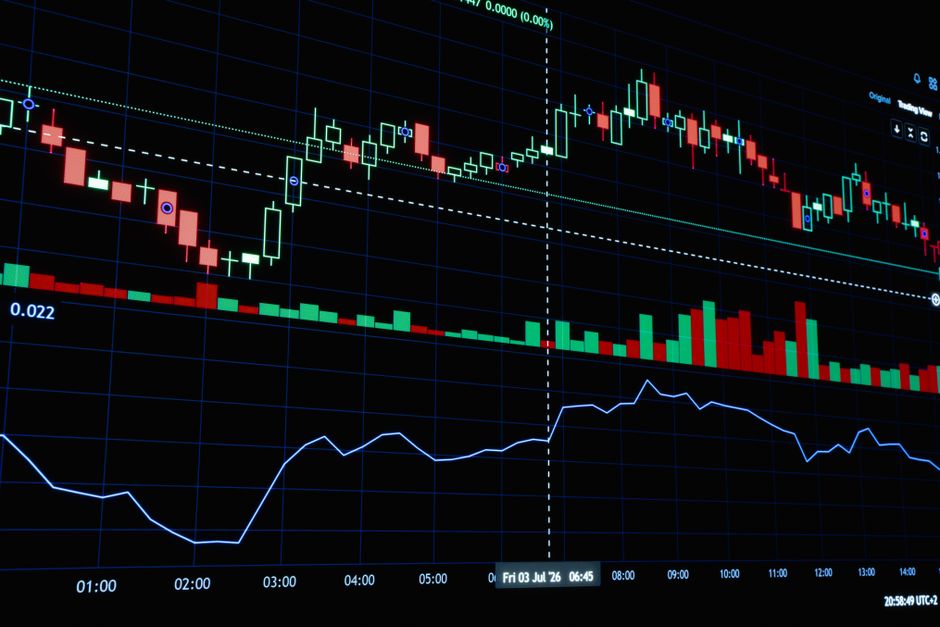
On most trading platforms, placing a sell order is straightforward. You select the currency pair you want to trade, choose your trade size (often measured in lots), and click the “Sell” button. The platform then either executes your order immediately at the current market price or holds it until your specified conditions are met, depending on the order type you selected.
When your sell order is active, it will appear in your open positions or pending orders section. You can monitor how the trade is performing in real time — watching the price move against your entry point and seeing your profit or loss update accordingly. Platforms like ZenithFX.com display all of this information clearly, making it easier for you to manage your trades without confusion. Familiarising yourself with how these tools look and function before trading with real money is highly recommended.
Common Mistakes When Using Sell Orders
One of the most frequent mistakes traders make is placing sell orders without a clear plan. Selling a currency pair simply because the price looks high, without any technical or fundamental analysis to back up the decision, is a habit that leads to inconsistent results. A solid trading approach always involves identifying a reason to sell, a target price for taking profit, and a stop loss level to manage risk.
Another common error is misunderstanding the spread — the difference between the bid price and the ask price. When you place a sell order, your trade executes at the bid price, which is slightly lower than the ask price. This means you start every sell trade at a small disadvantage that the market must overcome before you reach breakeven. Ignoring the spread, especially on shorter timeframes, can quietly erode trading performance over time. Always factor in transaction costs as part of your overall strategy.
Sell Orders and Risk Management
Using sell orders responsibly is a core part of protecting your trading capital. A stop loss order, for example, is one of the most important tools available to any trader. By setting a stop loss when you open a sell position, you define in advance exactly how much you are willing to lose if the trade goes wrong. This removes the temptation to hold a losing trade too long in the hope that the market will reverse.
Equally important is sizing your trades appropriately. Even with a well-placed stop loss, trading too large a position relative to your account balance can result in significant losses on a single trade. Many experienced traders recommend risking only a small percentage of your total capital on any one trade — a discipline that helps you stay in the game long enough to develop real skill and consistency. Risk management is not optional; it is the foundation that everything else is built on.
Start Practising Sell Orders Today
Understanding sell orders in theory is valuable, but real learning happens when you apply that knowledge in a live market environment. The good news is that you do not need to risk real money to get started. A demo account gives you access to real market conditions and a full set of trading tools, so you can practise placing different types of sell orders and see exactly how they behave without any financial risk.
The concepts covered in this article — from market and limit orders to stop losses and spread awareness — are skills that compound over time. The more you practise, the more natural these decisions become. Open a free demo account at ZenithFX.com today and start building the hands-on experience that separates confident traders from hesitant ones. Your trading journey starts with a single order — make it an informed one.
🎓 Free Forex Education at ZenithFX
Access our full learning center — forex basics, advanced strategies, video tutorials, and live webinars. All completely free.
Leave a comment