
What Are Commodity Currencies? | ZenithFX
Understanding Commodity Currencies in Forex Trading
If you have spent any time studying the forex market, you have likely come across the term “commodity currencies.” These are national currencies that share a strong historical relationship with the prices of raw materials that their home countries produce and export. When the price of a key commodity rises or falls on global markets, the currency tied to that commodity often moves in the same direction. Understanding this relationship can give forex traders a valuable edge when analyzing currency pairs and building trading strategies.
Commodity currencies are not a small corner of the forex market. Several of them rank among the most actively traded currencies in the world. This makes them relevant not just to specialist traders but to anyone who wants a deeper understanding of how global economics influences exchange rates. In this article, we break down what commodity currencies are, which ones matter most, and how you can use this knowledge in your trading.
Which Currencies Are Considered Commodity Currencies?
The three most widely recognized commodity currencies in forex trading are the Australian dollar (AUD), the Canadian dollar (CAD), and the New Zealand dollar (NZD). These three currencies are so closely associated with commodities that they are sometimes grouped together and referred to informally as the “commodity bloc” currencies. Each one has a distinct commodity relationship that shapes its behavior in the market.
The Australian dollar is closely tied to metals and mining exports, particularly iron ore and gold. Australia is one of the world’s largest exporters of these materials, so global demand for metals tends to have a direct influence on the AUD. The Canadian dollar has a well-documented relationship with crude oil prices, since Canada is a major oil-producing and oil-exporting nation. The New Zealand dollar is more closely linked to agricultural commodities, including dairy products, which represent a significant portion of New Zealand’s export revenue.
Some analysts also include currencies like the Norwegian krone (NOK) and the Russian ruble (RUB) in broader discussions of commodity currencies, given Norway’s oil exports and Russia’s role as a major energy producer. However, the AUD, CAD, and NZD remain the most commonly traded commodity currencies in retail forex markets.
Why Do Commodity Prices Affect Currency Values?
The link between commodity prices and currency values comes down to trade flows and national income. When a country earns more money from its exports, demand for its currency increases because foreign buyers need to convert their money into the local currency to pay for those goods. If Australia sells more iron ore at a higher price, international buyers need more Australian dollars. This increased demand can push the value of the AUD higher.
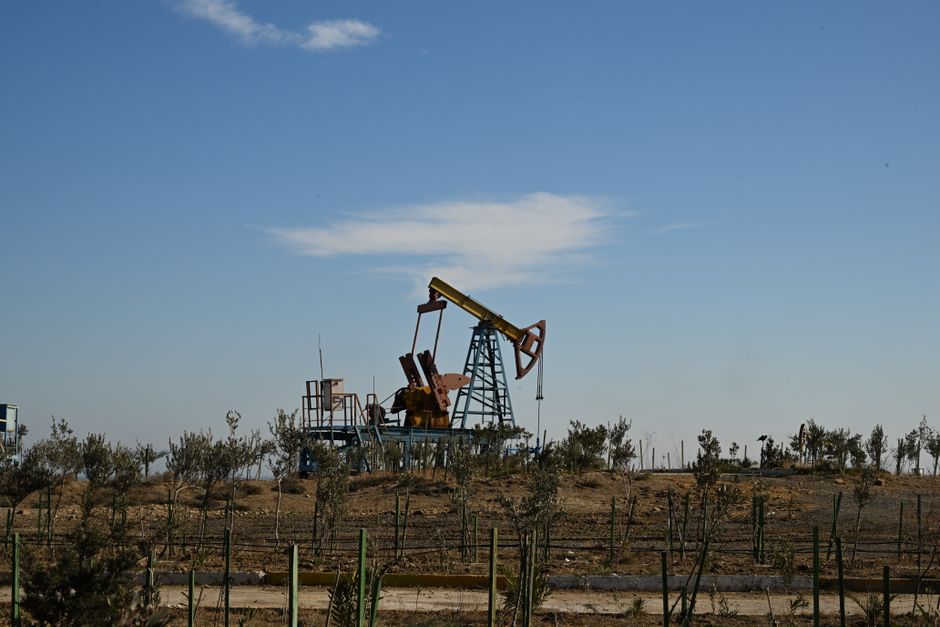
The reverse is also true. When commodity prices fall, export revenues decline. This reduces the flow of foreign money into the country and can weaken demand for the local currency. A sharp drop in oil prices, for example, has historically put downward pressure on the Canadian dollar because lower oil revenues mean less foreign capital flowing into Canada.
It is important to understand that this relationship is not perfectly consistent. Many other factors influence exchange rates, including interest rate decisions, economic growth data, political stability, and overall market sentiment. Commodity prices are one important input among many, not the sole driver of currency movements.
How Traders Use Commodity Currency Correlations
Traders who understand commodity currency relationships can use them in several practical ways. One common approach is to monitor commodity price charts alongside the relevant currency pairs. If crude oil prices are rising strongly, a trader might look for potential bullish setups in USD/CAD — keeping in mind that a stronger CAD would cause the USD/CAD pair to move lower, since CAD is the quote currency in that pair.
Another approach involves using commodity prices as a leading indicator or confirmation tool. If you are already considering a trade based on technical analysis, checking whether commodity prices support your direction can add a layer of confidence to your decision. Conversely, if commodity prices are moving against your expected trade direction, that could be a signal to reconsider or wait for clearer alignment.
- AUD pairs: Watch iron ore and gold prices for potential directional clues
- CAD pairs: Monitor crude oil benchmarks such as West Texas Intermediate (WTI)
- NZD pairs: Keep an eye on dairy commodity indexes and broader agricultural trends
- Divergence signals: When a currency moves in the opposite direction of its commodity, it can signal a potential reversal or a shift in market sentiment
These correlations are tools for analysis, not guarantees of future performance. Markets can and do deviate from historical patterns, especially during periods of unusual volatility or major economic events.
Key Risks and Limitations to Be Aware Of
Relying too heavily on commodity correlations can be a costly mistake. Correlations between currencies and commodities can weaken or break down during certain market conditions. For example, during a broad global risk-off event, investors may sell all risk assets simultaneously — including both commodities and commodity currencies — regardless of the underlying supply and demand picture for any specific raw material.
Interest rate differentials can also override commodity price signals. If a central bank like the Reserve Bank of Australia raises interest rates significantly, the AUD might strengthen even if iron ore prices are falling, because higher rates attract foreign capital seeking better returns. This is why successful traders consider multiple factors rather than building a strategy around a single correlation.
Additionally, the timing of commodity price impacts on currencies is not always immediate. Market participants may have already priced in anticipated changes, so by the time a major commodity move is obvious in the headlines, the currency may have already reacted. Staying informed about economic calendars and commodity market news in real time is essential for traders who want to act on these relationships effectively.
Practical Tips for Trading Commodity Currencies
If you want to incorporate commodity currency analysis into your trading, start by building a habit of checking commodity prices as part of your daily market review. Free tools and charts are widely available online, and integrating this step into your routine does not require significant extra time. The goal is to develop an intuitive feel for how these markets tend to move together over time.
It also helps to study historical examples of how commodity price shocks have affected specific currencies. Looking back at how the CAD responded during major oil price swings, or how the AUD behaved during periods of strong Chinese demand for Australian metals, can give you a more grounded sense of the real-world dynamics at play. China is a major importer of Australian commodities, so Chinese economic data can also influence the AUD indirectly.
Practice is essential. Before risking real capital on commodity currency trades, spend time testing your analysis and strategy in a simulated environment. Platforms like ZenithFX.com offer demo accounts where you can trade commodity currency pairs in real market conditions without putting your money on the line. This gives you the opportunity to develop your skills and test your understanding of these correlations before you commit to live trading.
Start Building Your Commodity Currency Knowledge Today
Commodity currencies offer traders a fascinating window into the relationship between global resource markets and foreign exchange. Understanding why the Australian dollar, Canadian dollar, and New Zealand dollar behave the way they do — and how their movements connect to iron ore, oil, and agricultural prices — adds meaningful depth to your market analysis. This knowledge does not guarantee profitable trades, but it does help you ask better questions and build more informed trading decisions.
The best way to put this knowledge into practice is to start trading in a risk-free environment. Open a free demo account at ZenithFX.com today and begin exploring commodity currency pairs with real-time market data. There is no better classroom than the market itself, and a demo account lets you learn without financial pressure. Take the first step toward becoming a more well-rounded forex trader by signing up now.
Ready to Start Trading?
✓ Free demo account — no deposit needed
✓ MT4, MT5, WebTrader and Mobile
✓ Real-time charts and live prices
✓ Switch to live account when you are ready
Leave a comment