
Forex vs Crypto: Which Market Should You Trade?
Choosing between forex and cryptocurrency trading is one of the most common questions new traders face today. Both markets offer genuine opportunities, but they operate very differently and suit different types of traders. Understanding those differences before you commit real money is not just smart — it is essential. This article breaks down the key distinctions between forex and crypto so you can make an informed decision about where to focus your energy and capital.
Market Size and Liquidity
The foreign exchange market is the largest financial market in the world. According to the Bank for International Settlements, the forex market sees trillions of dollars in daily trading volume, making it extraordinarily liquid. This means you can enter and exit positions quickly, and large trades are less likely to move prices dramatically against you.
The cryptocurrency market is significantly smaller by comparison. While popular coins like Bitcoin and Ethereum can be traded in large volumes, the overall market is a fraction of the size of forex. Smaller cryptocurrencies, often called altcoins, can have very low liquidity, meaning a single large trade can shift the price considerably. For traders, this cuts both ways — it creates opportunity but also adds risk.
Liquidity matters because it directly affects your trading costs. In highly liquid markets like forex, the spread between the buy and sell price tends to be very tight, especially on major currency pairs like EUR/USD. In crypto markets, spreads can be wider and more unpredictable, particularly during periods of market stress.
Volatility and Risk
Cryptocurrency markets are famous for their volatility. It is not unusual for Bitcoin to move ten percent or more in a single day. While this can create exciting profit opportunities, it also means losses can accumulate just as fast. Traders who are unprepared for this level of price movement can see their accounts wiped out quickly if they do not manage risk carefully.
Forex markets are generally less volatile, though they are far from calm. Currency pairs can move sharply in response to economic data releases, central bank decisions, or geopolitical events. However, the magnitude of these moves is typically smaller than what you see in crypto. Major currency pairs rarely move more than one or two percent in a single day under normal conditions.
Neither market is without risk, and no trading strategy guarantees consistent profits. The key difference is that forex volatility tends to be more predictable and driven by known scheduled events, while crypto volatility can appear suddenly and without clear fundamental cause. Your personal risk tolerance should play a major role in deciding which market suits you.
Trading Hours and Accessibility
One practical advantage of crypto trading is that it never closes. Cryptocurrency markets operate twenty-four hours a day, seven days a week, including weekends and holidays. This makes crypto appealing to traders who cannot monitor markets during standard business hours or who prefer the flexibility of trading at any time.
The forex market is open twenty-four hours a day during the trading week, running from Sunday evening through to Friday evening across global time zones. However, it is closed on weekends. Trading activity peaks during the overlap of major market sessions — particularly when the London and New York sessions overlap — and slows considerably during quieter periods like the Asian session for certain pairs.
For traders with full-time jobs or other commitments, both markets offer more flexibility than stock markets with fixed opening hours. The right choice depends on when you are actually available to trade and whether you want the option to trade on weekends. Keep in mind that trading during low-liquidity periods in either market can mean wider spreads and less reliable price action.
Regulation and Security
Forex is a well-regulated market in most major economies. Brokers offering forex trading are typically required to hold licenses from financial regulators such as the FCA in the United Kingdom, ASIC in Australia, or the NFA in the United States. These regulatory bodies enforce rules around client fund protection, fair pricing, and transparent operations. This gives traders a meaningful layer of protection.
The cryptocurrency market operates with far less regulation overall, though this is changing gradually in many countries. Crypto exchanges have been subject to hacks, fraud, and sudden collapses in the past. Traders using unregulated crypto platforms take on additional counterparty risk that simply does not exist to the same degree in regulated forex trading.
This does not mean crypto trading is impossible to do safely, but it does mean you need to be more selective about the platforms you use. For beginners especially, the regulatory framework around forex provides a more structured and safer environment in which to learn the fundamentals of trading.
Analysis and Strategy
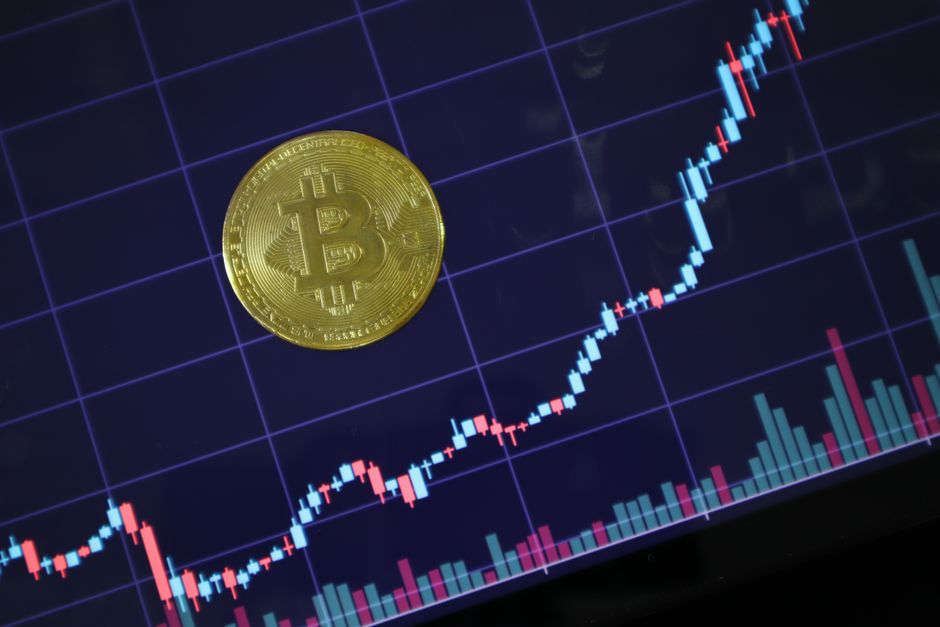
Both markets can be analyzed using technical analysis tools such as support and resistance levels, moving averages, and candlestick patterns. The charts look similar, and many strategies transfer between markets. If you learn to read price action in forex, that skill applies directly to crypto charts as well.
Where the two markets diverge is in fundamental analysis. Forex traders study economic indicators like inflation data, employment figures, interest rate decisions, and GDP growth. These factors have predictable release schedules and well-understood relationships with currency prices. Experienced forex traders often plan their week around the economic calendar.
Crypto fundamentals are less clearly defined. Factors like network upgrades, regulatory announcements, adoption news, and social media sentiment can all influence prices dramatically. This makes fundamental analysis in crypto less structured and harder to apply consistently. Beginners may find the economic framework of forex easier to understand and work with as they develop their trading skills.
Which Market Is Right for You?
There is no single correct answer to the forex versus crypto debate. Each market has genuine strengths and genuine drawbacks. Forex is generally better suited to traders who prefer structure, regulation, and lower volatility. It rewards patience, discipline, and a methodical approach. Crypto may appeal to traders who are comfortable with higher risk, want round-the-clock access, and are drawn to fast-moving markets.
Some experienced traders actively trade both markets, applying technical skills learned in one to the other. However, for beginners, it is usually wiser to master one market before adding another. Spreading your attention too thin while you are still learning fundamental concepts like risk management and position sizing is a common mistake that costs new traders money.
Consider your schedule, your risk tolerance, your starting capital, and how much time you can realistically dedicate to research and screen time. Both markets reward preparation and punish impulsiveness. Whichever you choose, the habits you build early — around journaling trades, managing losses, and following a plan — will define your long-term results far more than the market itself.
Start Practicing Before You Risk Real Money
The single most effective way to figure out which market suits you is to trade both without risking real capital. A demo account lets you experience live market conditions, test strategies, and build confidence while the only thing at stake is your time. This step is not optional for serious traders — it is a fundamental part of the learning process.
You can open a free demo account at ZenithFX.com and practice trading forex pairs in a realistic environment with no financial risk. Use that time to study price movements, practice your risk management, and discover whether the structure of forex trading matches your personality and goals. When you feel consistently prepared, the transition to a live account becomes a much more confident step — not a leap into the unknown.
Ready to Start Trading?
✓ Free demo account — no deposit needed
✓ MT4, MT5, WebTrader and Mobile
✓ Real-time charts and live prices
✓ Switch to live account when you are ready
Leave a comment