Spreads & Fees

Spreads & Fees

Know your trading costs upfront. ZenithFX keeps pricing transparent with spreads, optional commissions on select account structures, and standard overnight charges (swap) on eligible instruments.

Transparent Pricing
Tight Spreads*
Optional Commission Models
Swap / Overnight Fees
Risk Calculators
Risk Warning: CFDs are complex instruments and come with a high risk of losing money rapidly due to leverage. Ensure you understand how CFDs work and whether you can afford the high risk of losing your money.

What You Pay to Trade (The 3 Main Costs)

Trading costs generally come down to three components: spread, commission (if applicable), and swap (overnight financing). Your exact pricing depends on your account type, instrument, and market conditions.

1) Spread

The spread is the difference between the buy (ask) and sell (bid) price. Lower spreads can reduce trading cost, especially for frequent strategies like scalping.

Best for most traders • every trade • simple pricing

2) Commission (When Applicable)

Some account models can offer tighter spreads with a fixed commission per trade volume. This structure is common for active traders who prefer predictable per-lot pricing.

Best for active trading • tighter spread preference

3) Swap (Overnight Fee)

If you hold positions overnight, you may pay or receive a swap depending on the instrument, direction, and rates. Swap-free options may be available for eligible accounts.

Best for swing trades • overnight positions
* Spreads can widen during volatility, low liquidity periods, news releases, and session transitions.

How Pricing Changes by Account Type

Most traders prefer a commission-free setup (spread-only), while some active traders choose a model with tighter spreads and a fixed commission. Here’s the simple way to think about it:

Pick the Model That Matches Your Style

You don’t need “the lowest spread” — you need the lowest total cost for how you trade.
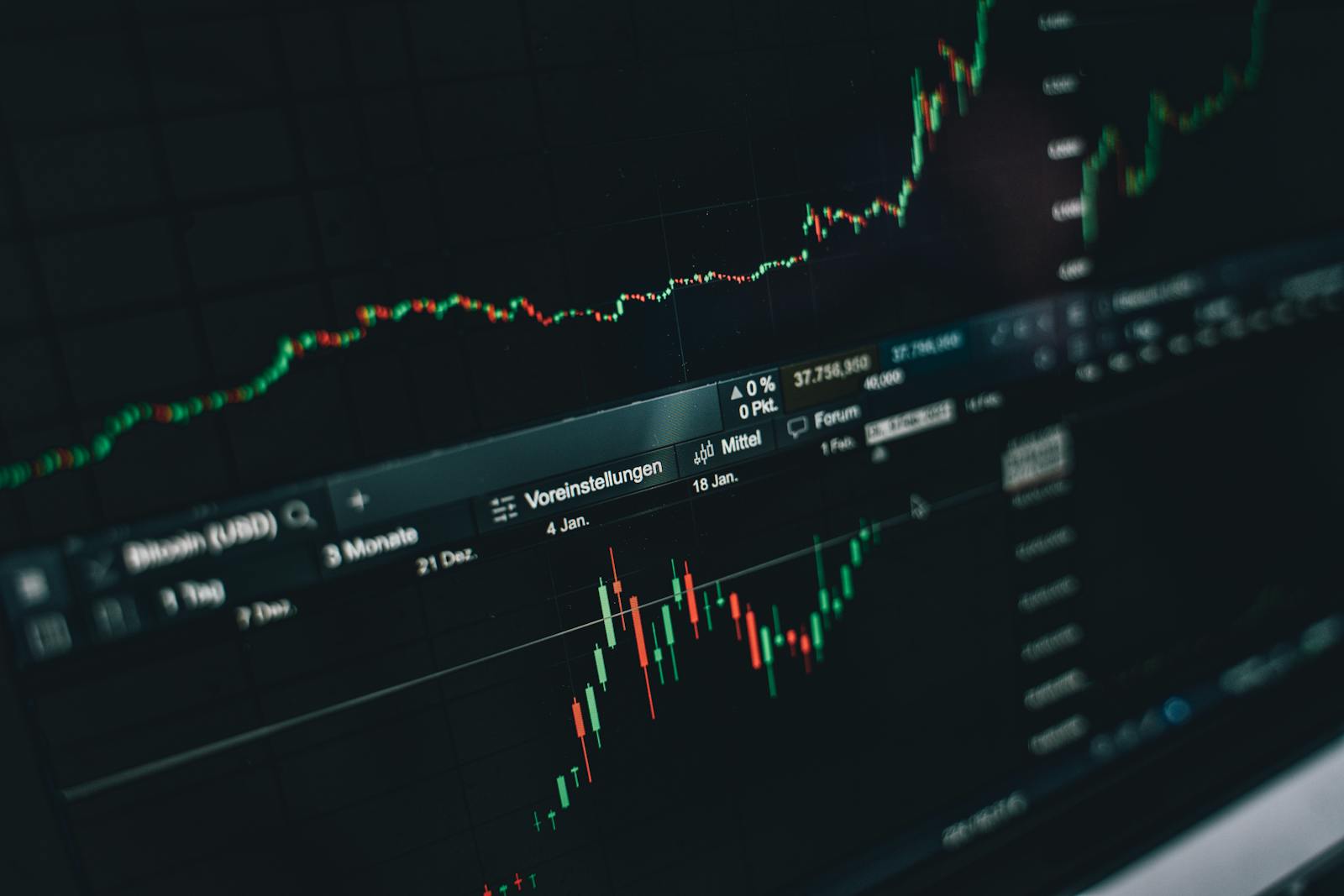
Micro / Standard (Spread-Only) Simple pricing for most traders. You pay mainly through the spread.
Ultra Low (Tighter Spread Focus) Better for frequent strategies where cost-per-trade matters most.
Commission Models (When Offered) Tighter spreads paired with a fixed commission structure for active traders.
Swap-Free Option (Eligibility-Based) May remove standard swap charges on eligible account types.
Spreads and pricing explained
Tip: If you trade more frequently, total cost matters more than “headline spread.”
Cost Component What It Means Best For How to Reduce It Notes
Spread Bid/ask difference, built into the price All traders Trade liquid sessions, avoid high-volatility spikes Can widen during news or low liquidity
Commission Fixed cost per volume (when applicable) Active / high-frequency Match account type to your trade frequency Often paired with tighter spreads
Swap Overnight financing charge/credit Swing & position traders Shorter holding period, swap-free option if eligible Varies by instrument & direction
Conversion Rate difference when converting currency Accounts in non-base currency Use a base currency that fits your funding source Depends on payment provider & currency pair
Pricing and availability can vary by region and entity. Always confirm exact conditions inside your account area before trading.

Estimate Your Trading Cost (Fast Tools)

Use calculators to plan risk, position size, and cost per trade before you execute.

Margin Calculator

Estimate required margin before you enter a trade and avoid overexposure.

Best for leverage planning • risk control

Pip Value Calculator

Know how much each pip move is worth based on lot size and currency pair.

Best for position sizing • stop loss planning

Practice Your Costs on Demo

See spreads live, test execution, and learn cost behavior in real market conditions.

Best for beginners • strategy testing

Live Market Prices (Cost Awareness Watchlist)

Keep an eye on popular instruments and learn how spreads behave around volatility and news.

Spreads & Fees FAQ

Simple answers to common pricing questions.

Do spreads stay the same all day?
Spreads can change with market conditions. They may widen during volatility, low liquidity times, or major news events. Liquid sessions typically offer more stable pricing.
Do I pay commission on every account?
Some account types are spread-only (commission-free), while others can use a commission model with tighter spreads. Your account type determines how pricing is structured.
What is swap and when is it charged?
Swap is an overnight charge (or credit) applied when you hold positions overnight. It depends on the instrument, direction, and market rates.
Can I trade swap-free?
Swap-free account options may be available for eligible accounts. If you prefer swap-free trading for overnight holding, review availability for your region and setup.
How do I estimate the total cost of a trade?
Use pip value and margin calculators to estimate exposure and cost impact. For frequent trading, focus on total cost per trade rather than headline spread alone.
Where can I see the exact conditions for my account?
The most accurate place is inside your account area and platform, where conditions are displayed for your specific account type and region.
Trading costs vary by instrument, volatility, and account type. Always check your platform for the latest pricing and conditions.

Trade With Clear Pricing

Open an account and choose the pricing model that fits your trading style.