Forex Basics

Forex Basics

Forex (FX) is the global marketplace where currencies are exchanged. Learn how currency pairs work, how traders measure movement (pips), what spreads and lots mean, and how to manage risk with margin and leverage.

Currency Pairs
Pips & Lots
Spreads
Margin & Leverage
Risk Control
Risk Warning: CFDs are complex instruments and come with a high risk of losing money rapidly due to leverage. Ensure you understand how CFDs work and whether you can afford the high risk of losing your money.

What is Forex Trading?

Forex trading is the act of buying one currency while selling another. Currencies are quoted in pairs (like EUR/USD), and traders profit or lose based on how the exchange rate changes.

Why Traders Choose Forex

Forex is widely traded and accessible, offering multiple ways to participate across major pairs, minor pairs, and exotic pairs. Many traders focus on liquid pairs where spreads are typically tighter and price action is steadier.

High Liquidity (Major Pairs)

Popular pairs often have more activity, which can support smoother execution and competitive pricing.

Examples EUR/USD • GBP/USD • USD/JPY

Trade Opportunities 24/5

Forex markets run across global sessions, giving traders flexibility to trade different time windows.

Sessions Asia • London • New York
Beginner rule: Focus on one or two major pairs first, practice with consistent position sizing on demo, then go live only when your routine is stable.
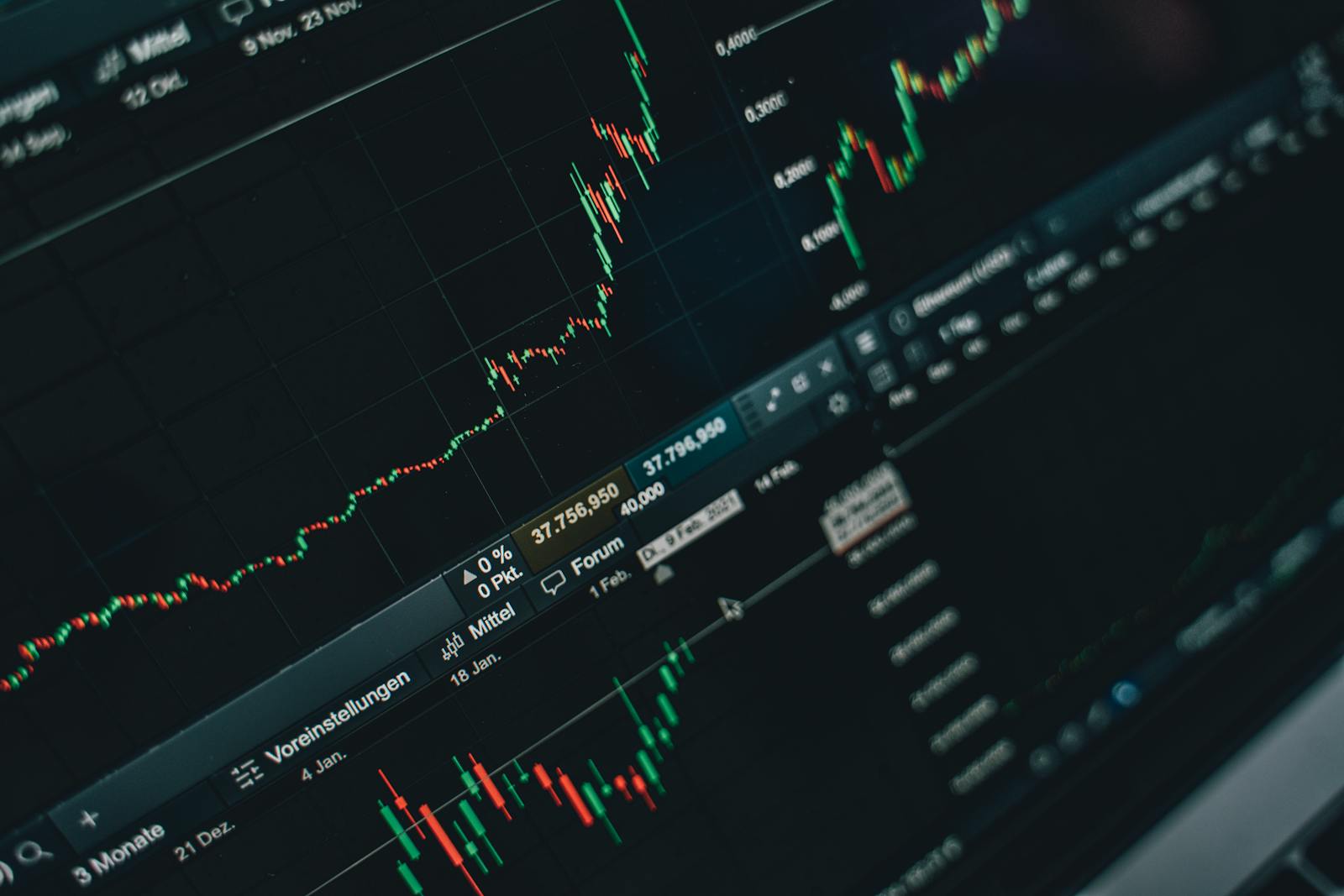
Forex trading analysis
Forex prices can move quickly during major news releases. Always plan risk before placing trades.

How Currency Pairs Work

Every FX quote has two currencies: the base currency (first) and the quote currency (second). The price tells you how much quote currency equals 1 unit of the base currency.

Pair Example How to Read It Meaning What Traders Look For Beginner Tip
EUR/USD = 1.1000 EUR (base) / USD (quote) 1 EUR = 1.10 USD Trend direction, key levels, session volatility Start with major pairs
USD/JPY = 150.00 USD (base) / JPY (quote) 1 USD = 150 JPY News sensitivity (rates), momentum moves JPY pairs often move faster
GBP/USD = 1.2700 GBP (base) / USD (quote) 1 GBP = 1.27 USD Strong volatility during London session Use stop losses
If EUR/USD rises, EUR is strengthening versus USD. If EUR/USD falls, EUR is weakening versus USD.

Core Forex Terms You Must Know

Master these concepts and your charts will instantly make more sense.

Pip

A pip is a standard unit used to measure price movement in most currency pairs.

Example EUR/USD moves from 1.1000 → 1.1001 (1 pip)

Lot Size

A lot is the trade size. Bigger lots mean bigger pip value and bigger risk.

Common sizes Standard • Mini • Micro

Spread

The spread is the difference between bid and ask. Lower spreads reduce trading costs.

Watch spreads can widen during news and low liquidity

Leverage

Leverage increases exposure using margin. It amplifies profits and losses.

Rule higher leverage is not a shortcut to success

Margin

Margin is the amount set aside to open and maintain a position. It’s not a fee.

Goal keep free margin to avoid forced closures

Order Types

Market orders fill immediately. Limit and stop orders help plan entries and exits.

Pro tip always set a stop loss before you enter
Learn these terms first — then everything else becomes easier.

Forex Trading Sessions (When Markets Move Most)

Volatility changes across global sessions. Many traders focus on London and New York overlap when liquidity is typically strongest.

Asian Session

Often calmer for some major pairs, with activity around JPY, AUD, NZD markets.

Watch USD/JPY • AUD/USD

London Session

Commonly one of the most active sessions, especially for EUR and GBP pairs.

Watch EUR/USD • GBP/USD

New York Session

Strong activity for USD-based pairs, often reacting to major US news releases.

Watch EUR/USD • USD/CAD
Tip: spreads can widen during low liquidity periods and around major data releases.

Risk Management (The Real Forex Skill)

Most beginners lose because they oversize trades. Your #1 priority is protecting capital so you can stay in the game long enough to improve.
The 5-Point Risk Checklist

Always use a Stop Loss Know your exit before you enter.
Risk Small Per Trade Small, consistent risk helps you survive losing streaks.
Size Positions with Pip Value Know how much a pip is worth before you trade.
Keep Free Margin Avoid maxing out leverage. Leave room for volatility.
Journal Every Trade Track why you entered, where you exited, and what you learned.
Consistency comes from process: same setup rules, same risk, same review routine.
Risk management and trading plan

Live FX Prices (Practice Reading Movement)

Track a small watchlist daily to build market intuition. Start with major pairs while learning.

Forex Basics FAQ

Quick answers to the most common beginner questions.

What is the difference between a major and a minor pair?
Major pairs involve the USD and are typically more liquid. Minor pairs are crosses without USD (like EUR/GBP). More liquidity often means smoother price behavior and tighter spreads.
What is a pip and why does it matter?
A pip is a standard measurement of movement in a currency pair. Your profit/loss is often measured in pips, and your lot size determines how much each pip is worth.
What’s the easiest way to avoid blowing an account?
Keep risk per trade small, always use a stop loss, and avoid oversized leverage. Demo trade first until your process is consistent.
Why do spreads widen sometimes?
Spreads can widen during high volatility, major news releases, and low-liquidity periods. This is normal market behavior.
Should I start with scalping or day trading?
Most beginners do better starting with slower decision-making: fewer trades, clearer setups, and stronger risk control. Scalping requires speed and precision.
What’s the best way to learn faster?
Combine education + demo practice: watch a lesson, apply one concept, journal the outcome, then repeat. Live webinars help you understand real-time decision-making.

Ready to Practice Forex the Right Way?

Start on demo, learn the fundamentals, and build a consistent trading routine.