
How to Trade Nasdaq as a CFD | ZenithFX
Why Traders Choose the Nasdaq as a CFD Market
The Nasdaq 100 is one of the most widely traded indices in the world, tracking 100 of the largest non-financial companies listed on the Nasdaq stock exchange. It includes global technology giants like Apple, Microsoft, Amazon, and Nvidia, making it a go-to market for traders who want exposure to the tech sector without buying individual shares. For many retail traders, the most practical way to access this index is through Contracts for Difference, commonly known as CFDs.
CFD trading allows you to speculate on the price movement of the Nasdaq 100 without owning the underlying assets. This means you can potentially profit whether the index rises or falls, and you only need a fraction of the total trade value to open a position. However, this also means risk is amplified, and losses can exceed your initial deposit if you are not careful. Understanding exactly how this market works is the essential first step before placing any trade.
What Is a Nasdaq CFD and How Does It Work
When you trade the Nasdaq as a CFD, you are entering into an agreement with your broker to exchange the difference in price between the moment you open a trade and the moment you close it. If you believe the Nasdaq 100 will rise, you open a buy position. If you think it will fall, you open a sell position. Your profit or loss is determined by how many points the index moves and the size of your position.
Nasdaq CFDs are typically quoted in points. Each point movement has a monetary value depending on your contract size. For example, if you trade one standard contract and the index moves 50 points in your favour, your profit would be calculated by multiplying those 50 points by your per-point value. It is important to understand your broker’s contract specifications before trading, as these details vary between platforms.
One of the key features of CFD trading is leverage. Leverage lets you control a larger position with a smaller amount of capital, known as margin. While leverage can increase potential returns, it equally increases potential losses. A relatively small move against your position can result in a significant loss relative to your margin deposit. This is why risk management is not optional — it is fundamental to surviving as a trader.
Key Factors That Drive Nasdaq Price Movements
Because the Nasdaq 100 is heavily weighted toward technology companies, it tends to react strongly to news and earnings reports from major tech firms. When companies like Apple or Microsoft release quarterly earnings that beat expectations, the index often moves sharply higher. Disappointing results or cautious guidance can trigger equally sharp declines. Staying aware of the earnings calendar is an important part of trading this market.
Broader economic data also plays a significant role. Interest rate decisions from the US Federal Reserve have historically had a strong impact on the Nasdaq. When interest rates rise, growth stocks — which make up a large part of the index — often come under pressure, because higher rates reduce the present value of future earnings. Inflation data, employment figures, and GDP reports can all shift market sentiment quickly.
Geopolitical events, regulatory changes affecting the tech industry, and shifts in investor risk appetite can also cause notable price swings. Traders who follow the Nasdaq need to stay informed about global developments, not just US-specific news. Building a habit of reading financial news before each session is a simple but effective practice.
Technical Analysis Tools for Trading the Nasdaq
Most active Nasdaq CFD traders rely heavily on technical analysis to time their entries and exits. The index has well-defined trading sessions, with the most activity occurring during the US market hours, typically from 9:30 AM to 4:00 PM Eastern Time. Price action tends to be more volatile around the open and close of this session, which creates both opportunity and risk.
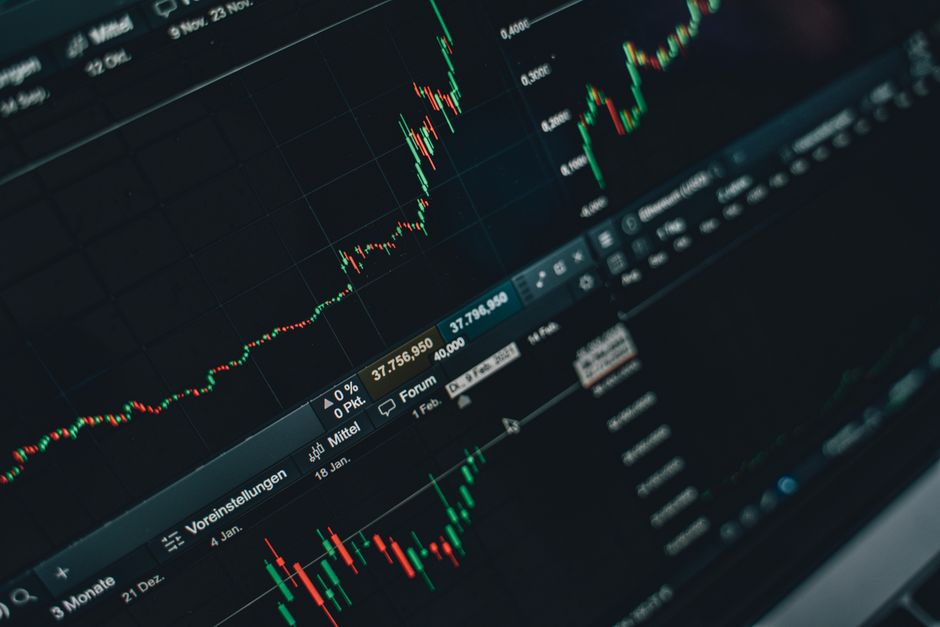
Common technical tools used when trading the Nasdaq include moving averages, the Relative Strength Index (RSI), support and resistance levels, and trend lines. Moving averages help traders identify the overall direction of the market, while RSI can highlight when the index may be overbought or oversold. Support and resistance levels show price zones where buying or selling pressure has historically appeared.
Candlestick patterns are also widely used. Formations such as engulfing candles, pin bars, and doji patterns can signal potential reversals or continuation of trends. Combining multiple tools rather than relying on just one gives a more complete picture of market conditions. No single indicator is perfect, and experienced traders always look for confirmation from more than one source before acting.
Building a Risk Management Strategy
Trading without a risk management plan is one of the most common reasons new traders lose money. Before entering any Nasdaq CFD trade, you should define exactly how much you are willing to lose on that trade. A widely used rule is to risk no more than one to two percent of your total account balance on any single position. This approach helps protect your capital during losing streaks, which every trader will experience at some point.
Stop-loss orders are an essential tool for managing risk. A stop-loss automatically closes your trade if the price moves against you by a set amount, limiting your loss to a level you have decided in advance. It removes emotion from the decision and prevents a small loss from turning into an account-damaging one. Equally, a take-profit order can lock in gains when the market reaches your target, so you do not give back profits by holding too long.
Position sizing matters just as much as where you place your stop. Even a well-placed stop-loss will not protect you if your position is too large relative to your account. Calculate your position size based on the distance to your stop-loss and the maximum amount you are prepared to lose, not based on how confident you feel about the trade. Confidence is not a substitute for calculation.
Practising Before You Trade With Real Money
One of the smartest things any trader can do before committing real capital is to practise in a simulated environment. A demo account gives you access to live market conditions using virtual funds, so you can test your strategy, learn how the platform works, and build confidence without any financial risk. This is particularly valuable when trading something as dynamic as the Nasdaq, where price can move hundreds of points in a single session.
Use your practice time wisely. Rather than simply clicking buttons to see what happens, treat every demo trade as if it were real. Follow your rules, use proper position sizing, and review your trades afterward to understand what worked and what did not. This kind of deliberate practice accelerates learning far more effectively than just watching the market.
ZenithFX.com offers a free demo account that lets you explore the Nasdaq CFD market with realistic pricing and execution. It is an ideal environment for both complete beginners who are learning the basics and experienced traders who want to test a new strategy before going live.
Taking Your First Steps in Nasdaq CFD Trading
Trading the Nasdaq as a CFD offers real opportunities, but it demands preparation, discipline, and a clear understanding of the risks involved. The market is fast-moving, driven by major economic events and the performance of some of the world’s most influential companies. Success in this market is built over time, through consistent application of a tested strategy and strict risk management.
Start by learning the fundamentals of how CFDs work, study the key drivers of the Nasdaq 100, and develop a simple trading plan before you risk any real money. Focus on process rather than profit, and measure your progress by how well you follow your rules, not just by whether individual trades were winners or losers.
Ready to put your knowledge into practice? Open a free demo account at ZenithFX.com today and start trading the Nasdaq in a risk-free environment. Build your skills, test your strategy, and take your first steps toward confident, informed trading.
🎓 Free Forex Education at ZenithFX
Access our full learning center — forex basics, advanced strategies, video tutorials, and live webinars. All completely free.
Leave a comment