
When Does the Forex Market Close? | ZenithFX
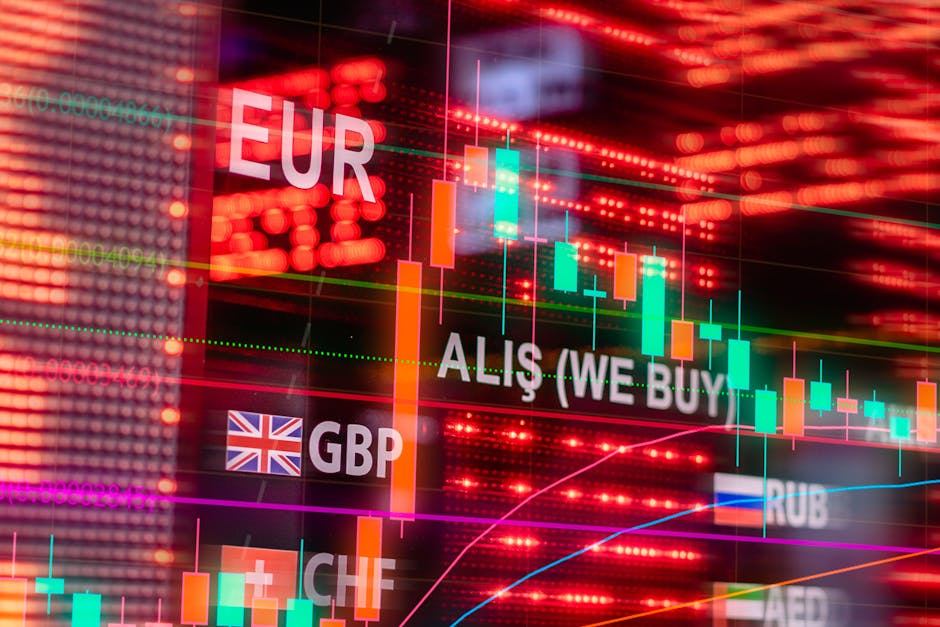
One of the most attractive features of forex trading is that the market operates around the clock, five days a week. Unlike stock exchanges that open and close at fixed times each day, the foreign exchange market runs continuously from Monday morning to Friday evening. But this does not mean the market never stops. Knowing exactly when the forex market closes — and why those closing times matter — is essential knowledge for any trader who wants to manage risk effectively and plan their trading sessions with confidence.
The Forex Market Never Truly Sleeps (During the Week)
The forex market is a decentralized, global network of banks, financial institutions, brokers, and individual traders. Because it operates across different time zones, trading activity simply moves from one major financial center to the next as the business day begins in each region. When Tokyo closes, London is opening. When London winds down, New York picks up. This overlap of sessions keeps the market liquid and active for the vast majority of the trading week.
This continuous structure is one of the key differences between forex and traditional equity markets. A stock trader in New York must wait for the New York Stock Exchange to open at 9:30 AM local time. A forex trader, by contrast, can execute a trade at 2:00 AM or 11:00 PM on a weekday and find active pricing available. That flexibility appeals to traders across every time zone around the world.
However, continuous does not mean constant. Activity levels rise and fall throughout the day depending on which financial centers are open. Understanding the rhythm of these sessions helps traders identify the best windows for their strategy.
The Four Major Trading Sessions
The forex trading day is commonly divided into four major sessions based on the world’s leading financial centers: Sydney, Tokyo, London, and New York. Each session has its own character in terms of trading volume, volatility, and the currency pairs most actively traded.
The Sydney session opens first, typically around 10:00 PM GMT on Sunday, marking the unofficial start of the trading week. The Tokyo session follows, bringing stronger activity in Asian currency pairs such as USD/JPY and AUD/JPY. The London session, which opens around 8:00 AM GMT, is considered the most active of all sessions because of the sheer volume of trades processed through European banks. Finally, the New York session begins around 1:00 PM GMT and overlaps with London for several hours, creating the highest-volume window of the entire trading day.
These times can shift slightly depending on daylight saving time changes in different countries, so it is worth checking a reliable forex market hours tool to confirm current session times throughout the year.
When Does the Forex Market Actually Close?
The forex market closes for the weekend. Trading effectively ends on Friday at around 10:00 PM GMT when the New York session wraps up for the week. From that point, the market remains closed until Sunday at approximately 10:00 PM GMT when the Sydney session reopens. This gives the global financial system a pause of roughly 48 hours each week.
It is important to note that while no major session is open during this window, some brokers may display pricing over the weekend. These prices are generally not tradeable in the traditional sense and do not represent the deep liquidity found during regular market hours. Most retail forex traders simply do not place new trades over the weekend.
The market also closes on certain public holidays. When major financial centers like London or New York observe national holidays, liquidity in those sessions can drop sharply. Trading is technically still possible, but thin markets can lead to wider spreads and unpredictable price movements. Experienced traders often reduce their exposure or avoid trading altogether on such days.
Why the Weekend Close Matters for Your Trades
The weekend closure creates a practical challenge called the weekend gap. When the market reopens on Sunday evening, prices do not always resume exactly where they left off on Friday. News events, political developments, or economic data released over the weekend can cause the market to open significantly higher or lower than Friday’s close. This price jump is known as a gap.
Gaps can work in a trader’s favor or against them. If you hold a position over the weekend and the market gaps in the wrong direction, your stop-loss order may not fill at the price you set. Instead, it fills at the next available price after the gap, which could mean a larger loss than expected. This is called slippage, and it is a genuine risk for anyone who carries open trades into the weekend.
Many traders choose to close their positions before Friday’s market close to avoid this uncertainty. Others reduce their position sizes heading into the weekend. Whatever your approach, being aware of the weekend gap is an important part of responsible risk management.
The Best and Worst Times to Trade
Not all hours within the trading week offer the same opportunity. The most favorable conditions for many traders occur during the London-New York overlap, which runs roughly from 1:00 PM to 5:00 PM GMT. During this window, the two largest financial centers are both active simultaneously, resulting in high liquidity, tighter spreads, and stronger price movement across major pairs like EUR/USD, GBP/USD, and USD/JPY.
On the other end of the spectrum, the period between the close of the New York session and the open of the Sydney session on Sunday evening tends to be the quietest. Trading during very low-volume periods can be risky because price movements may not accurately reflect genuine market sentiment, and spreads can widen considerably.
- High activity: London-New York overlap (1:00 PM – 5:00 PM GMT)
- Moderate activity: Tokyo-London overlap and London open
- Low activity: Late New York session and Asian session lows
- No reliable trading: Friday after 10:00 PM GMT through Sunday 10:00 PM GMT
Public Holidays and Special Closures
Beyond the regular weekend, the forex market can experience reduced activity around major public holidays. Christmas, New Year, Easter, and national holidays in the United States, United Kingdom, and Japan are the most common examples. During these periods, trading desks at large banks are either closed or running with minimal staff, which dramatically reduces liquidity.
Traders should maintain a calendar of key public holidays in major trading nations. Many forex trading platforms and financial news sites publish holiday schedules at the start of each year. Staying informed about these dates helps you avoid being caught in thin market conditions without realizing it.
At ZenithFX.com, the platform provides clear session information so traders always know when major markets are active and can plan their trading day accordingly.
Start Practicing With a Free Demo Account
Understanding when the forex market opens and closes is one of the foundational building blocks of becoming a more informed and prepared trader. Knowing which sessions are active, when the market shuts down for the weekend, and how public holidays affect liquidity gives you a real edge when planning your strategy and managing your risk.
The best way to internalize these patterns is to experience them firsthand without putting real money at risk. A demo account lets you observe how market activity changes across different sessions, practice managing positions ahead of the weekend close, and build your confidence in a live market environment with no financial pressure.
Open a free demo account at ZenithFX.com today and start exploring the forex market on your own terms. Watch how prices behave across different sessions, practice your entries and exits, and develop the discipline that separates prepared traders from unprepared ones. There is no better time to start than right now.
Ready to Start Trading?
✓ Free demo account — no deposit needed
✓ MT4, MT5, WebTrader and Mobile
✓ Real-time charts and live prices
✓ Switch to live account when you are ready
Leave a comment