Forex (FX) is the global marketplace where currencies are exchanged. Learn how currency pairs work, how traders measure movement (pips), what spreads and lots mean, and how to manage risk with margin and leverage.
Forex trading is the act of buying one currency while selling another. Currencies are quoted in pairs (like EUR/USD), and traders profit or lose based on how the exchange rate changes.
Forex is widely traded and accessible, offering multiple ways to participate across major pairs, minor pairs, and exotic pairs. Many traders focus on liquid pairs where spreads are typically tighter and price action is steadier.
Popular pairs often have more activity, which can support smoother execution and competitive pricing.
Forex markets run across global sessions, giving traders flexibility to trade different time windows.

Every FX quote has two currencies: the base currency (first) and the quote currency (second). The price tells you how much quote currency equals 1 unit of the base currency.
| Pair Example | How to Read It | Meaning | What Traders Look For | Beginner Tip |
|---|---|---|---|---|
| EUR/USD = 1.1000 | EUR (base) / USD (quote) | 1 EUR = 1.10 USD | Trend direction, key levels, session volatility | Start with major pairs |
| USD/JPY = 150.00 | USD (base) / JPY (quote) | 1 USD = 150 JPY | News sensitivity (rates), momentum moves | JPY pairs often move faster |
| GBP/USD = 1.2700 | GBP (base) / USD (quote) | 1 GBP = 1.27 USD | Strong volatility during London session | Use stop losses |
Master these concepts and your charts will instantly make more sense.
A pip is a standard unit used to measure price movement in most currency pairs.
A lot is the trade size. Bigger lots mean bigger pip value and bigger risk.
The spread is the difference between bid and ask. Lower spreads reduce trading costs.
Leverage increases exposure using margin. It amplifies profits and losses.
Margin is the amount set aside to open and maintain a position. It’s not a fee.
Market orders fill immediately. Limit and stop orders help plan entries and exits.
Volatility changes across global sessions. Many traders focus on London and New York overlap when liquidity is typically strongest.
Often calmer for some major pairs, with activity around JPY, AUD, NZD markets.
Commonly one of the most active sessions, especially for EUR and GBP pairs.
Strong activity for USD-based pairs, often reacting to major US news releases.
Most beginners lose because they oversize trades. Your #1 priority is protecting capital so you can stay in the game long enough to improve.
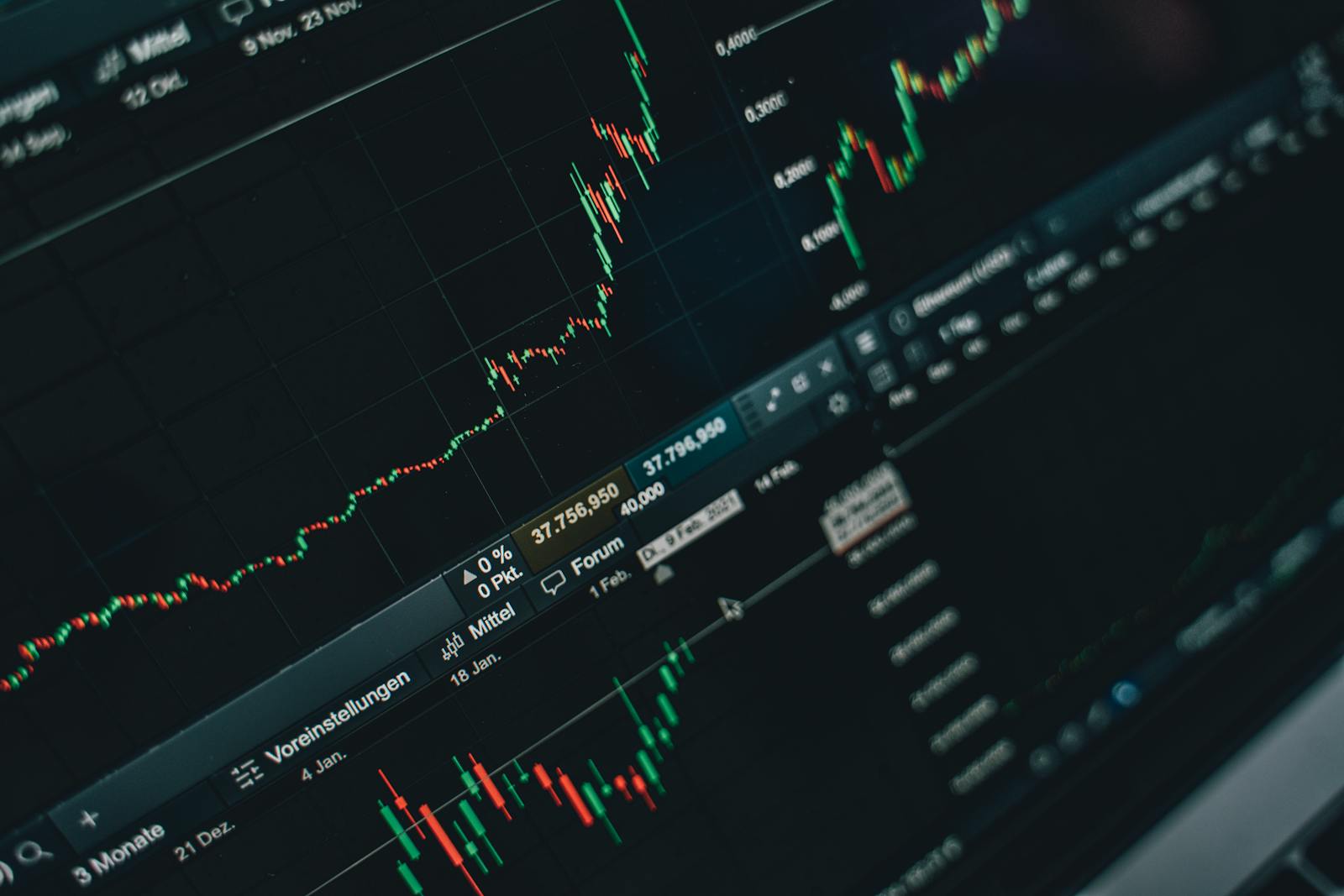
Track a small watchlist daily to build market intuition. Start with major pairs while learning.
Quick answers to the most common beginner questions.
Start on demo, learn the fundamentals, and build a consistent trading routine.
